
Commercial Real Estate in DFW: Pricing, Cap Rates, and Demand Explained
Commercial real estate in DFW continues to attract investors, business owners, and developers from across the country. The Dallas–Fort Worth metroplex is one of the fastest growing regions in the United States, driven by population growth, corporate relocations, and a diverse economic base. Understanding pricing trends, cap rates, and demand drivers is essential before committing capital to this market.
This guide breaks down how commercial real estate in DFW works in today’s environment, what investors should realistically expect, and how different property types perform. Whether you are exploring your first acquisition or expanding an existing portfolio, knowing how commercial real estate behaves can help you make confident, data-driven decisions.
Why Commercial Real Estate Continues to Attract Investors

It benefits from a combination of strong fundamentals that few U.S. metros can match. The region consistently ranks among the top markets for job creation, business relocations, and population growth. Major companies in technology, finance, healthcare, logistics, and manufacturing continue to establish regional headquarters across Dallas, Fort Worth, Frisco, Plano, and surrounding cities.
From an investment perspective, commercial real estate in DFW offers scale and diversity. Investors can choose from office buildings, retail centers, industrial warehouses, medical facilities, mixed-use developments, and multifamily assets. This diversity allows portfolios to be balanced across risk profiles and economic cycles.
Another key advantage is liquidity. Compared to smaller markets, commercial real estate has a deeper buyer pool, making both acquisitions and exits more predictable over the long term.
Understanding Pricing Trends Across DFW
Pricing is one of the first factors investors evaluate when analyzing commercial real estate. Prices vary widely depending on location, asset type, tenant quality, and lease structure.
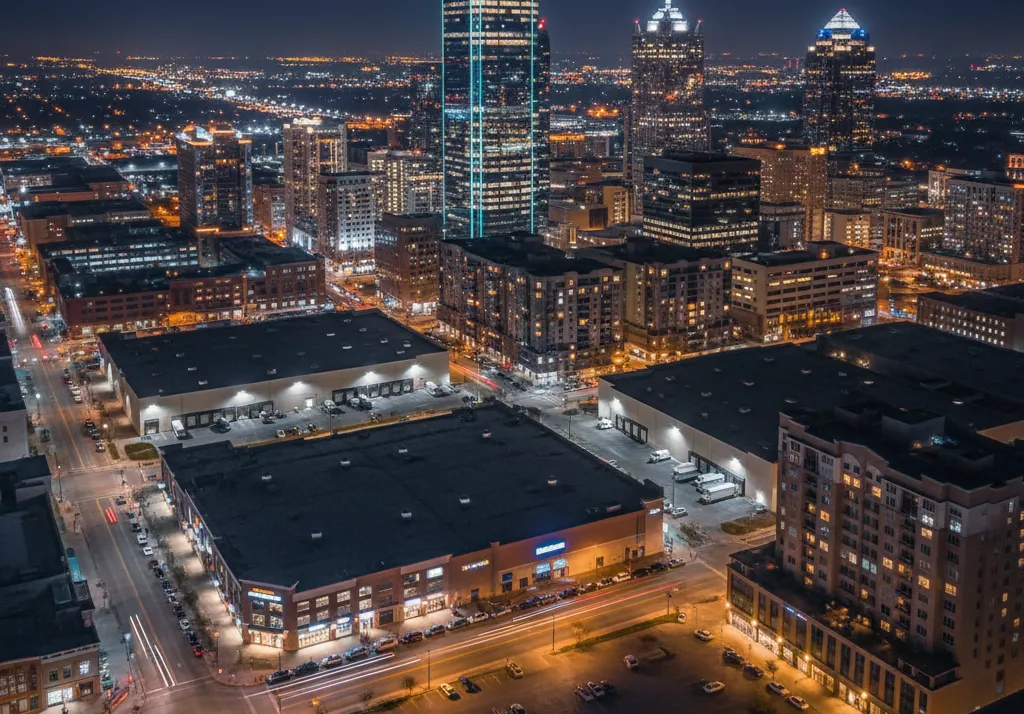
Core submarkets such as Uptown Dallas, Legacy West, and parts of North Dallas command premium pricing due to strong tenant demand and limited inventory. In contrast, emerging areas along major transportation corridors may offer lower entry points with higher upside potential.
Over the past few years, commercial real estate in DFW has seen steady appreciation rather than sharp volatility. This stability appeals to long-term investors seeking consistent income rather than short-term speculation. Industrial and logistics properties have experienced the strongest pricing growth due to e-commerce expansion and supply chain demand.
Investors exploring active opportunities often review commercial property for sale in Dallas TX listings to understand real-time pricing and availability across different submarkets.
Cap Rates Explained in the DFW Market
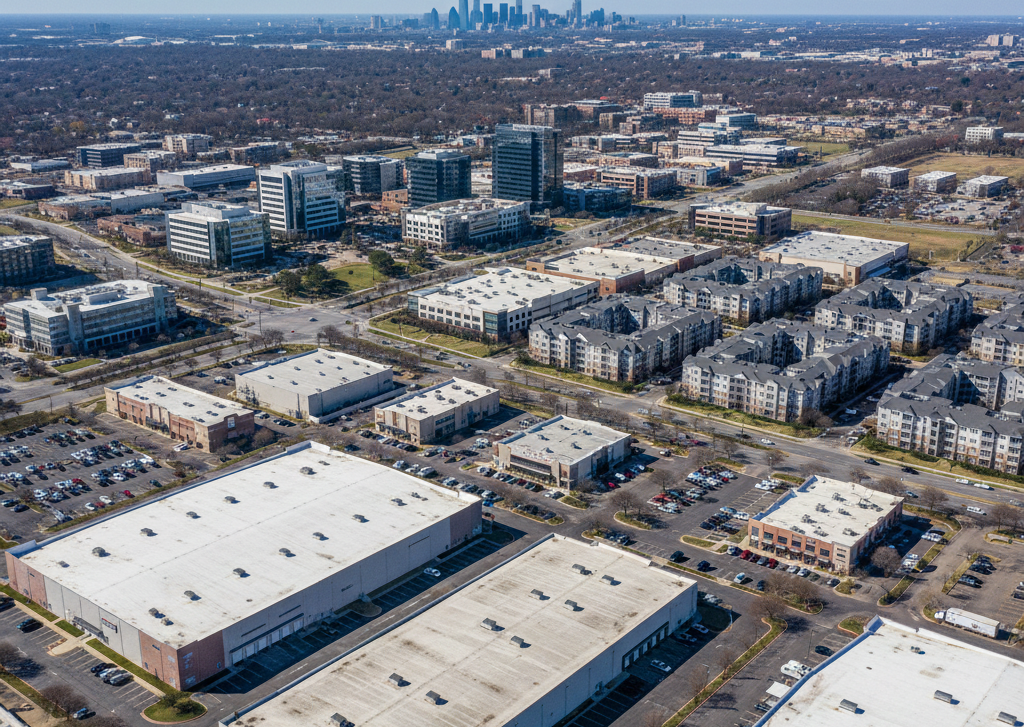
Cap rates are a critical metric when evaluating commercial real estate. They measure the relationship between a property’s net operating income and its purchase price, helping investors compare returns across assets.
In DFW, cap rates vary by property type:
Industrial properties typically trade at lower cap rates due to high demand and stable tenants
Retail properties show wider cap rate ranges depending on tenant mix and lease terms
Office properties can offer higher cap rates but may carry greater leasing risk
Multifamily assets often sit in the middle, balancing income stability with appreciation potential
Compared to coastal markets, commercial real estate often provides more attractive cap rates while maintaining strong long-term fundamentals. This balance is a major reason institutional and private investors continue entering the market.
Demand Drivers Powering Commercial Real Estate in DFW
Demand for commercial real estate is not driven by a single industry. Instead, it is supported by a broad economic base that reduces dependency on any one sector.
Population growth is a major factor. As more residents move to North Texas, demand rises for retail centers, medical offices, warehouses, and multifamily housing. Corporate relocations further increase demand for office space and industrial facilities.
Infrastructure investment also plays a role. Highway expansions, airport growth, and logistics hubs strengthen the appeal of commercial real estate, especially for distribution and manufacturing users.
Many investors also monitor residential indicators through the DFW housing market forecast, as population growth and housing demand often signal future commercial expansion.
Office Market Trends in DFW
The office segment of commercial real estate in DFW has undergone noticeable changes. While traditional downtown offices have seen shifting demand, suburban office hubs remain strong. Areas such as Plano, Frisco, and Las Colinas continue to attract corporate tenants seeking modern space with access to skilled labor.
Flexible layouts, energy efficiency, and proximity to amenities are now key factors influencing leasing decisions. Investors evaluating office properties within commercial real estate must assess tenant retention, lease rollover schedules, and long-term adaptability of the space.
Industrial and Logistics: A DFW Stronghold
Industrial properties are among the strongest performers in commercial real estate. The region’s central location makes it ideal for national distribution networks. Warehouses, fulfillment centers, and light manufacturing facilities remain in high demand.
Vacancy rates in many industrial submarkets remain low, supporting rent growth and long-term income stability. For investors seeking predictable cash flow, industrial assets within commercial real estate in DFW are often viewed as lower risk compared to other sectors.
Investors researching logistics and warehouse assets often review available commercial property for sale in Dallas TX to understand pricing, lease structures, and demand.
Retail Commercial Real Estate in DFW
Retail commercial real estate continues to evolve rather than decline. While traditional big-box retail has faced challenges, neighborhood shopping centers anchored by grocery stores, medical services, and restaurants remain resilient.
Population density and traffic patterns are critical when evaluating retail assets. Well-located centers in growing suburbs often outperform older properties in saturated areas. Investors focused on commercial real estate should pay close attention to tenant mix and local demographics.
Multifamily and Mixed-Use Developments
Multifamily assets play a major role in commercial real estate. Strong population growth fuels demand for rental housing across price points. Mixed-use developments that combine residential, retail, and office space are also gaining traction.
These projects benefit from diversified income streams and appeal to tenants seeking walkable communities. For investors, multifamily and mixed-use assets offer a blend of income stability and appreciation potential within commercial real estate.
Financing Commercial Real Estate in DFW
Financing options for commercial real estate are diverse. Investors can access traditional bank loans, agency financing, private lenders, and equity partnerships. Loan terms vary depending on asset type, occupancy, and borrower experience.
Interest rate fluctuations influence deal structure, but many investors continue to move forward by adjusting leverage and focusing on cash-flow stability. Understanding financing options is essential to maximizing returns in commercial real estate in DFW.
Risks to Consider Before Investing
While commercial real estate in DFW offers strong opportunities, risks should not be ignored. Overpaying for assets, underestimating operating expenses, or misjudging tenant demand can impact returns.
Market cycles also affect performance. Although DFW is resilient, no market is immune to economic slowdowns. Successful investors in commercial real estate mitigate risk through due diligence, conservative underwriting, and diversified portfolios.
Long-Term Outlook for Commercial Real Estate in DFW
The long-term outlook for commercial real estate in DFW remains positive. Continued population growth, business expansion, and infrastructure investment support sustained demand. While individual sectors may experience short-term shifts, the overall market is positioned for steady performance.
Investors who focus on fundamentals rather than speculation are best positioned to benefit from commercial real estate in DFW over the next decade.
FAQs
Is commercial real estate in DFW still a good investment?
Yes, commercial real estate remains attractive due to population growth, economic diversity, and strong long-term demand.
Which commercial property type performs best in DFW?
Industrial and multifamily properties have shown the strongest performance, but retail and office assets can also perform well in the right locations.
Are cap rates higher in DFW than coastal markets?
Generally, cap rates in commercial real estate are more favorable than in coastal cities, offering better income potential.
What should first-time investors focus on?
Location, tenant quality, and conservative financial projections are essential when entering commercial real estate.
How competitive is the DFW commercial market?
Competition is strong, but the size of the market provides opportunities across multiple submarkets and price points.
Conclusion
Commercial real estate in DFW offers a unique combination of growth, stability, and opportunity. Pricing remains competitive compared to major coastal metros, cap rates support income-focused strategies, and demand continues to be fueled by population and business expansion.
By understanding market dynamics, property types, and risk factors, investors can approach commercial real estate with confidence. Whether your goal is steady cash flow, long-term appreciation, or portfolio diversification, this market continues to stand out as one of the most compelling commercial real estate destinations in the country.