
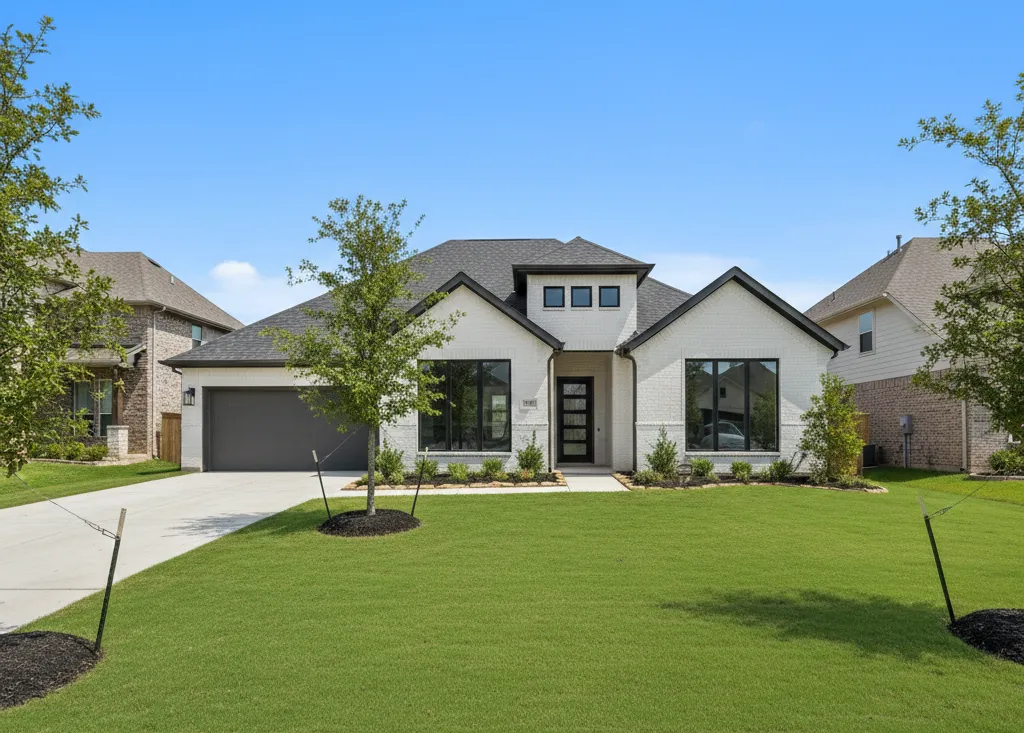
Buying a Home in Dallas TX: Homes for Sale & Buyer Tips
Dallas is a large, dynamic city with diverse neighborhoods – from urban lofts in Deep Ellum to family-friendly suburbs. As the ninth-largest U.S. city, it offers a wide range of homes. Buying a home in Dallas TX means understanding local market trends and preparing carefully. Readers will learn about Dallas’s housing market, financing steps, home evaluation tips, and available assistance programs to make the home-buying process smoother.
The Dallas market remains competitive. Many experts note strong demand and limited supply in the metroplex, driving steady price growth. For example, Zillow reports that as of late 2025 the median sale price in Dallas is about $418,000. At the same time, the average home value was around $302,721 (a ~4.3% drop from last year), reflecting slight market cooling. Even so, homes often sell quickly – in desirable suburbs like Frisco and Plano, move-in-ready listings commonly receive multiple offers and sell above the asking price within 10–14 days. Overall, Dallas’s growing economy (with major companies relocating here) keeps buyer interest high. Inventory has begun to improve, but competition among buyers is expected to remain strong into 2025.
Dallas Housing Options
Dallas offers many home types to suit different buyers. Key housing categories include:
Single-family homes: These are still in highest demand. Prestigious Dallas neighborhoods such as Highland Park, Lakewood, and Preston Hollow (noted for top-rated schools and parks) continue to be especially sought after. In single-family areas, buyers often pay premiums for good schools and yard space.
Townhomes: More entry-level buyers and first-timers are considering new townhome developments. Dallas’s townhome market “offers an attractive balance of affordability and lifestyle,” making it appealing for those who want low-maintenance living near the city center. Developers are building walkable townhome communities, and these tend to be moderately priced compared to houses.
Condominiums: Condos cater to young professionals, downsizing retirees, or anyone seeking a lock-and-leave lifestyle. Dallas condos often come with amenities (fitness centers, concierge, etc.) and urban views. Recent trends show buyers favor condo buildings with luxury or eco-friendly features. In general, condos allow for city living without lawn upkeep.
Each option has trade-offs. Buyers should match home type to their budget, lifestyle, and long-term plans. For example, condos may have HOAs and monthly fees (covering maintenance), while single-family homes mean more upkeep but more privacy. Understanding these categories helps buyers target the right Dallas neighborhoods (urban core vs. suburbs, etc.) and find the best deals.
Preparing to Buy: Finances and Pre-Approval
Many experts advise buyers to get their finances in order before starting the home search. To qualify for a Dallas mortgage, aim for a credit profile and savings that meet lender standards. In practice, this means keeping debt manageable (lenders prefer a debt-to-income ratio under about 43%) and building a solid down payment. Buyers should save enough so they can put down 10–20% of the home price; putting down at least 20% can eliminate private mortgage insurance. It’s also smart to clear up any credit report issues well ahead of time. In short, a strong credit history, documented income, and proof of saved funds will help secure a favorable loan for a Dallas home.
Once finances are in order, get pre-approved for a mortgage. This involves submitting documentation (recent pay stubs, W-2 forms, tax returns, bank statements, etc.) to a lender. For example, lenders commonly request two months of pay stubs, the last two years of W-2s and tax returns, and statements showing your down-payment funds. A pre-approval letter (indicating how much you can borrow) not only clarifies your budget, but also shows sellers you are a serious buyer.
Steps to Buying a Home in Dallas TX

Buying a house involves several key steps. A typical workflow is:
Secure Financing (Pre-Approval): Work with a mortgage lender or broker familiar with Dallas-area loans. Provide the required documents (as above) to get pre-approved. Compare loan options: conventional, FHA, VA, and other programs. (Note: FHA loans allow lower credit scores and down payments, VA loans offer no-down-payment for veterans, and USDA loans cover some suburban areas.)
Hire a Local Realtor: Choose a Dallas-based real estate agent who understands local neighborhoods and contracts. In Texas, by law agents must disclose in writing whom they represent (buyer, seller, or both). Sign a buyer’s representation agreement so your agent officially works for you. A good agent will help identify homes for your needs (schools, commute, price range) and negotiate offers.
Search Homes for Sale: Browse current Dallas listings via MLS, Realtor.com, or Zillow. Focus on the neighborhoods that fit your lifestyle and budget. Keep in mind Dallas’s diversity: for example, areas like East Dallas (lower taxes, revitalization) or North Dallas (high-end subdivisions) may suit different buyers. Visit open houses and schedule showings. Given the competitive market, act quickly on houses you like.
Make an Offer: When you find a suitable Dallas home, work with your agent to submit a written offer (Texas uses standard contracts). Include earnest money and outline any contingencies (loan, inspection). In many Dallas-area markets, multiple buyers may bid – especially on move-in-ready homes. A strong pre-approval and a reasonable price can help your offer win.
Conduct Inspections: Once under contract, hire a professional inspector to review the home’s condition. See next section for Dallas-specific inspection tips. Based on the inspection report, you may negotiate repairs or credits with the seller.
Finalizing the Mortgage: Complete your mortgage application. The lender will order an appraisal (to verify value) and finalize underwriting. Stay in close contact with your lender to provide any additional info quickly.
Closing: Prepare for closing day. Be ready to pay closing costs (typically around 2–5% of the purchase price) for items like title insurance, escrow fees, and prepaid taxes/interest. On closing day, you’ll sign final loan documents and the property deed will be recorded in your name.
What to Check When Inspecting a Dallas Home

When touring Dallas homes, focus on practical details to avoid surprises. For example, Realtors recommend measuring the garage to ensure your vehicles fit. Check the yard’s sprinkler or irrigation system, if any: having an automatic system can save much effort keeping grass green. Turn off the lights at different times of day to assess natural light levels in each room. It’s also wise to review any HOA rules early on – know what property modifications or uses the association allows. Other experts suggest looking at roof condition, plumbing, and electrical panels as part of a standard home inspection.
Additional Dallas-area tips: traffic patterns and noise matter here. Visit the property during peak hours (after school/work) to gauge local traffic congestion. Pay attention to home orientation (north/south facing affects heat and light). In Texas’s climate, checking the age of the air conditioning unit and presence of an attic fan can help (hot summers are the norm). If the home is older, consider checking for sprinkler systems for fire safety and for any known water intrusion issues (Dallas has areas prone to flooding). A licensed home inspector will note most major concerns, but as a buyer you should remember these local pointers.
Costs and Considerations
Beyond the sale price, Dallas buyers should budget for recurring costs and local fees:
Property Taxes: Texas has no state income tax, but property taxes are high. The average Texas property tax rate is around 1.47% of home value. In Dallas specifically, the combined city + county + school tax rate is roughly $2.2269 per $100 of value (about 2.23%). For example, on a $300,000 home, expect around $6,680 in yearly property taxes in Dallas city limits. Factor this into your monthly budget. Note: Texas offers a homestead exemption (typically $25,000 off your taxable value for school taxes) for primary residences, which lowers the bill.
Homeowners Insurance: Dallas homeowners face weather risks (hail, windstorms). Plan for insurance premiums accordingly. Shop rates before buying; sometimes policies require inspections of roofs or plumbing.
HOA Fees: If the home is in a gated community or condo complex, monthly HOA dues can range from small to substantial. Review HOA dues and rules before committing.
Closing Costs: These include lender fees, escrow fees, and prepaid items. Closing costs in Texas are typically paid by the buyer (unlike some other states). It’s wise to save an extra 2–5% of the home’s price to cover these at closing.
Moving/Utilities: Remember other moving expenses: changing utilities, buying furniture, or renovating an older home. Even a new home may need minor upgrades (landscaping, window treatments, etc.).
Financing and Assistance Programs
Dallas buyers have several financing options and assistance programs available:
Loan Types: In addition to conventional loans, first-time or low-down-payment buyers can consider FHA loans (as low as 3.5% down) and VA loans (100% financing for qualified veterans). Some rural parts of Dallas County may even qualify for USDA loans (zero down in select zones). A knowledgeable lender can explain options like adjustable-rate vs. fixed-rate mortgages and specialty loans.
Texas State Programs: The Texas Department of Housing and Community Affairs (TDHCA) offers homebuyer assistance statewide. For example, the My First Texas Home program provides low-interest 30-year mortgages and down payment help to first-time buyers. There’s also My Choice Texas Home, which offers similar down payment assistance to any qualified buyer (not just first-timers).
Dallas Local Grants: The City of Dallas runs the Dallas Homebuyer Assistance Program (DHAP) for income-eligible buyers. DHAP can provide grants up to about $50,000 (even $60,000 in certain high-opportunity areas) to help with your down payment or closing costs. To qualify, borrowers must have a mortgage and be at or below 80% of the Area Median Income for their household size.
Compare Lenders: Shopping multiple lenders (banks, credit unions, mortgage brokers) is important. Get loan estimates from at least three lenders, and compare not just interest rates but also closing costs and fees. Dallas has many local mortgage brokers who know the market well; an expert lender will help match you with the best available loan program. Transparency is key – work with lenders who explain all costs clearly and answer your questions throughout the process.
By planning your financing early and exploring assistance programs, you can make your Dallas home purchase more affordable.
Conclusion
Buying a home in Dallas TX requires research, preparation, and local knowledge. The Dallas market is diverse and dynamic, offering options from suburban houses to urban condos. Prospective buyers should start by understanding current market conditions (median prices, inventory, etc.), and get their finances ready by improving credit, paying down debt, and saving for a down payment. Working with a knowledgeable Dallas real estate agent will help navigate negotiations and contracts (Texas law even mandates agent representation disclosures). During home tours, focus on practical details – ample garage space, an irrigation system, good natural light, and any HOA rules. Remember to budget for high local property taxes (Dallas’s combined rate is about 2.23%) and insurance. Finally, take advantage of assistance programs like Texas’s My First Texas Home or Dallas’s DHAP if you qualify. With careful planning and expert guidance, buyers can confidently navigate Dallas’s housing market and find the right home for their needs.