
Home Maintenance Costs in Texas: Average Expenses and Saving Tips
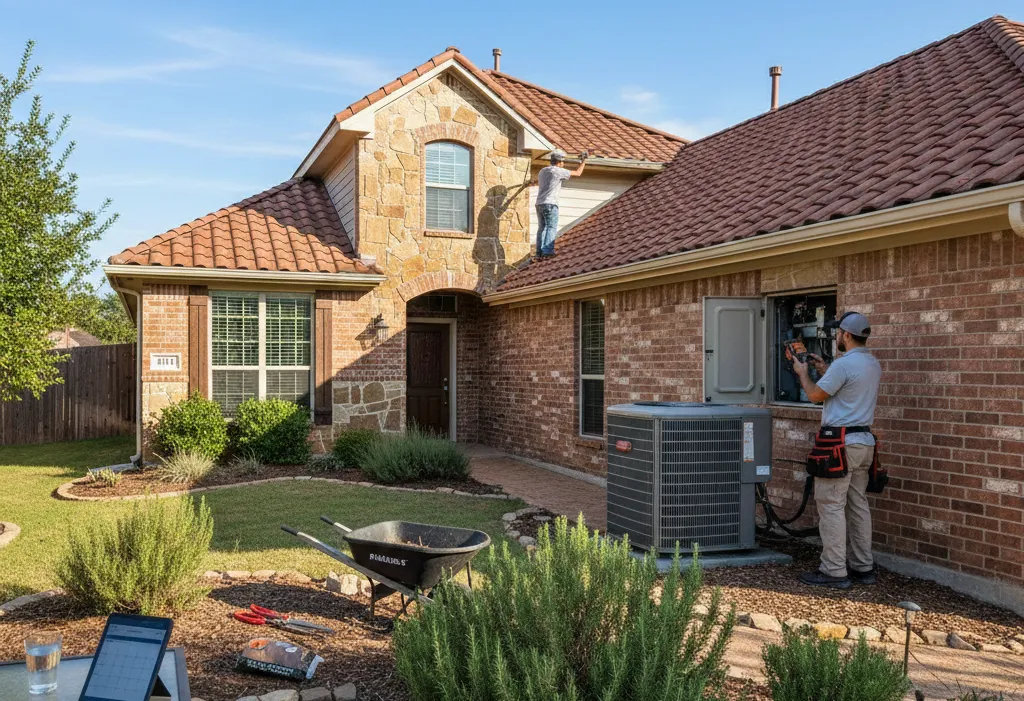
Owning a home in Texas comes with both excitement and responsibility. While the state offers a thriving real estate market and beautiful neighborhoods, homeowners must be prepared for ongoing maintenance expenses. Understanding home maintenance costs in Texas can help you budget effectively, avoid surprises, and maintain the value of your investment. Whether you're a first-time buyer or a seasoned property owner, this guide provides a comprehensive overview of what to expect, along with tips to save money while keeping your home in top condition.
Why Home Maintenance Matters in Texas

Texas homes face unique challenges due to the region's climate, size, and construction styles. The hot summers, occasional storms, and varying humidity levels all affect wear and tear. Knowing the typical home maintenance costs in Texas homeowners experience ensures you can plan financially and protect your property.
Maintenance is not just about keeping your home looking good, it’s about safety and long-term value. Regular upkeep of HVAC systems, roofs, plumbing, and landscaping prevents minor problems from becoming major, costly repairs. Homeowners who stay proactive typically spend less over time and enjoy a more comfortable living environment.
Homeowners can also refer to the HUD guide on home maintenance for tips on inspections and repairs to manage expenses effectively.
Average Home Maintenance Costs in Texas
On average, experts suggest budgeting 1%–4% of your home’s value annually for maintenance. For a home valued at $300,000, that translates to $3,000–$12,000 per year.
Several factors influence maintenance costs:
Age of the home: Older homes often need more repairs.
Size of the home: Larger homes require more work and resources.
Type of property: Single-family homes often cost more to maintain than condos or townhouses.
Climate and weather: Texas heat, storms, and occasional flooding impact upkeep costs.
Planning for these costs upfront helps homeowners avoid financial stress and maintain their property’s resale value.
Common Home Maintenance Expenses in Texas

HVAC and Plumbing Maintenance
One of the biggest expenses for Texas homeowners is keeping heating, ventilation, and air conditioning systems running efficiently. Annual servicing for HVAC units can cost $150–$500. Plumbing inspections and minor repairs may add another $100–$400. These systems are critical for comfort and safety, especially during the scorching Texas summers.
For buyers looking to invest in well-maintained homes, our buy residential properties guide can help identify properties with lower maintenance demands.
Roofing and Exterior Maintenance
Regular roof inspections, gutter cleaning, and siding upkeep are essential. In Texas, roofs endure sun, wind, and occasional hail, so annual maintenance costs can range from $300–$1,000. Maintaining your exterior prevents leaks, water damage, and structural issues that could lead to costly repairs.
Landscaping and Lawn Care
The size of your yard and the type of plants you maintain can significantly impact expenses. On average, homeowners spend $50–$500 monthly on landscaping and lawn care services. Opting for drought-resistant landscaping and low-maintenance plants can help lower costs. Regular upkeep also preserves the curb appeal and value of your property.
Pest Control
Termites, ants, and other pests are common across Texas. Preventive pest control services typically cost $200–$500 annually and protect your home from significant damage. Neglecting this aspect can lead to expensive structural repairs and reduced property value.
General Repairs
Unexpected repairs such as plumbing leaks, electrical issues, or appliance replacements can vary widely. Setting aside $500–$2,000 annually ensures you’re financially prepared for emergencies without derailing your budget.
For more insights on maximizing property value, check our sell residential property resources for guidance on preparing homes for resale.
Seasonal Maintenance Tips
Texas homeowners can save money by aligning maintenance with the seasons.
Spring: Clean gutters, inspect the roof, and check irrigation systems.
Summer: Service air conditioning units, monitor water usage, and repair storm damage.
Fall: Check insulation, seal windows, and prune trees to prevent damage during winter storms.
Winter: Inspect heating systems, look for leaks, and prepare plumbing for colder temperatures.
Following seasonal routines reduces the risk of emergency repairs and helps manage overall home maintenance costs in Texas.
Hidden Costs Homeowners Often Overlook
Many homeowners underestimate the impact of smaller, hidden expenses, which can add up over time:
Property taxes and assessments
HOA fees (if applicable)
Appliance replacements
Painting, flooring, and cosmetic upgrades
Accounting for these costs ensures your maintenance budget is accurate, helping you avoid surprises.
Understanding all aspects of home investment is essential. Our affordability calculator helps evaluate long-term costs including maintenance.
Ways to Reduce Home Maintenance Costs in Texas
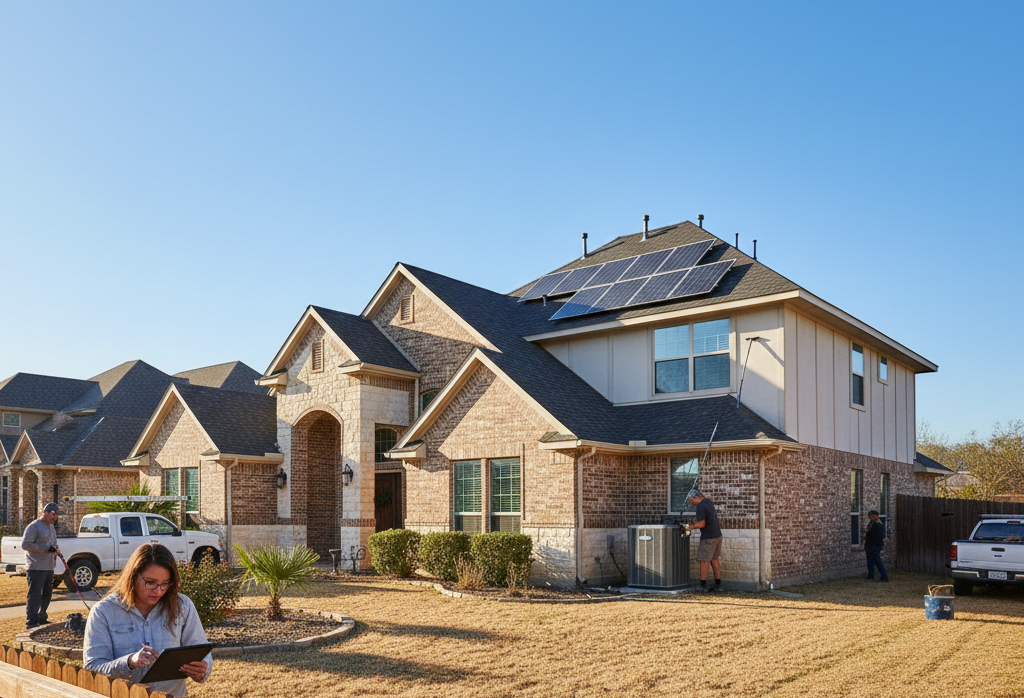
Preventive Maintenance: Regular inspections prevent minor issues from becoming major problems.
DIY for Minor Tasks: Painting, gutter cleaning, and landscaping can save hundreds annually.
Energy-Efficient Upgrades: Investing in energy-efficient HVAC systems and insulation lowers utility bills and reduces wear.
Local Contractors: Hiring trusted, local professionals ensures quality work and often lower rates.
Home Warranties: Protect yourself financially from major, unexpected repairs.
FAQs About Home Maintenance Costs in Texas
Q1: How much should I budget annually for home maintenance in Texas?
A1: Experts recommend 1%–4% of your home’s value annually to cover routine and unexpected repairs.
Q2: Do older homes cost more to maintain?
A2: Yes, older homes may require more frequent repairs, especially for HVAC, plumbing, and roofing.
Q3: Can DIY reduce maintenance costs?
A3: Absolutely. Small tasks like painting, gutter cleaning, and landscaping can significantly reduce costs.
Q4: Are home warranties worth it in Texas?
A4: They can save money for major repairs, especially for older homes or homes with high-maintenance systems.
Conclusion
Managing home maintenance costs in Texas is essential for financial stability and long-term property value. By budgeting appropriately, performing seasonal maintenance, and using strategic upgrades, homeowners can reduce expenses while maintaining a safe and comfortable home. Being proactive ensures fewer emergencies, lower repair costs, and a home that continues to provide value and enjoyment for years to come.