
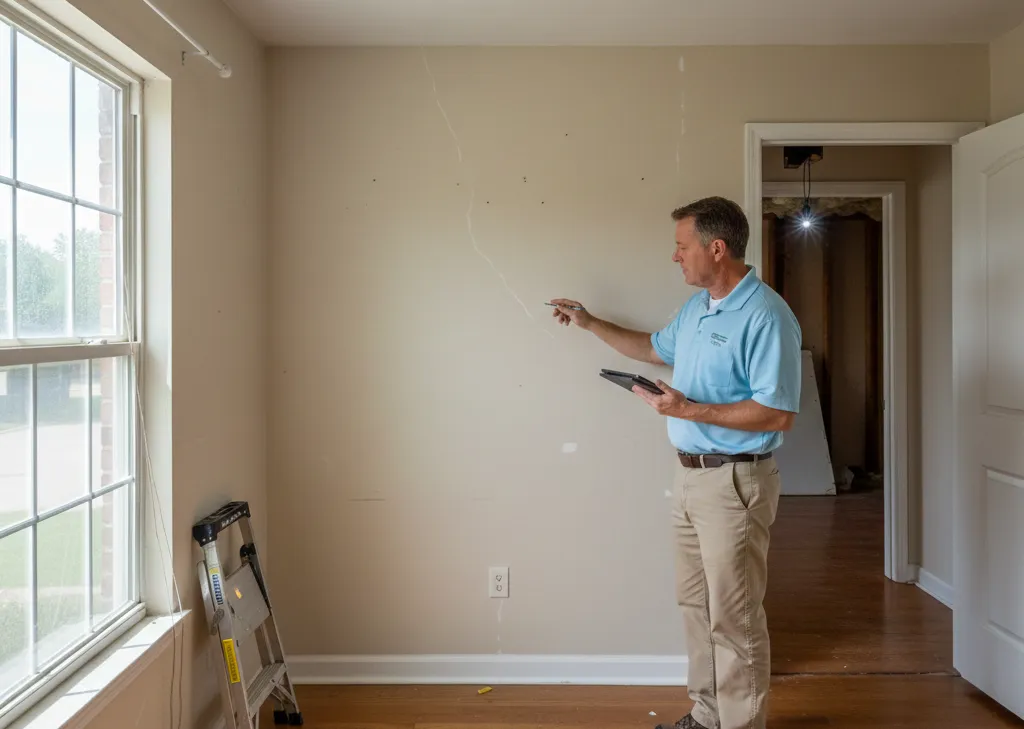
Texas Home Inspection Checklist: A Step-by-Step Guide for Homebuyers
Buying a home is one of the biggest financial decisions most people make, and in a large, diverse state like Texas, inspections play a critical role in protecting that investment. Homes across Texas vary widely in age, construction style, climate exposure, and maintenance history. That is why following a clear Texas home inspection checklist is essential before moving forward with a purchase.
A professional inspection gives buyers a realistic picture of a property’s condition. It highlights safety issues, future maintenance needs, and potential repair costs that may not be visible during a showing. This step-by-step guide walks you through everything buyers should review so you can approach your purchase with confidence and clarity.
Why Home Inspections Are Especially Important in Texas
Texas homes face unique environmental and structural challenges. Expansive clay soil can cause foundation movement, intense heat stresses roofing materials, and storms can lead to hidden water damage. Older homes may also have outdated electrical systems or plumbing that no longer meets modern standards.
Using a structured Texas home inspection checklist helps buyers identify risks early. It also strengthens negotiation power when requesting repairs or credits before closing.
When to Schedule a Home Inspection
Home inspections should be scheduled immediately after the seller accepts your offer and within the inspection contingency period of your contract. This window gives buyers time to review findings and decide whether to proceed, renegotiate, or withdraw.
Buyers who are already familiar with the home buying process in Texas often understand that inspections are not a delay but a safeguard that protects long-term value and safety.
Exterior Inspection Checklist

Roof Condition
The roof is one of the most expensive systems to repair or replace. Inspectors check for missing shingles, sagging areas, improper flashing, and storm damage. Texas hail and wind storms make roof inspections especially important.
A complete Texas home inspection checklist always starts with the roof because small issues can quickly turn into major leaks.
Roof inspections are especially important due to Texas weather conditions, which include extreme heat, hailstorms, and sudden temperature shifts that accelerate material wear.
Foundation and Grading
Foundation stability is a major concern in many Texas regions due to shifting soil. Inspectors look for cracks, uneven floors, and doors that no longer close properly. Proper grading around the home ensures water drains away from the foundation.
Siding, Brick, and Exterior Walls
Inspectors check for cracks, moisture intrusion, rot, and deterioration. Brick veneer homes are evaluated for mortar condition and structural separation.
Driveways, Walkways, and Outdoor Structures
Cracks, uneven surfaces, and loose railings can indicate settling issues or safety hazards. Decks and patios should meet basic structural standards.
Interior Inspection Checklist
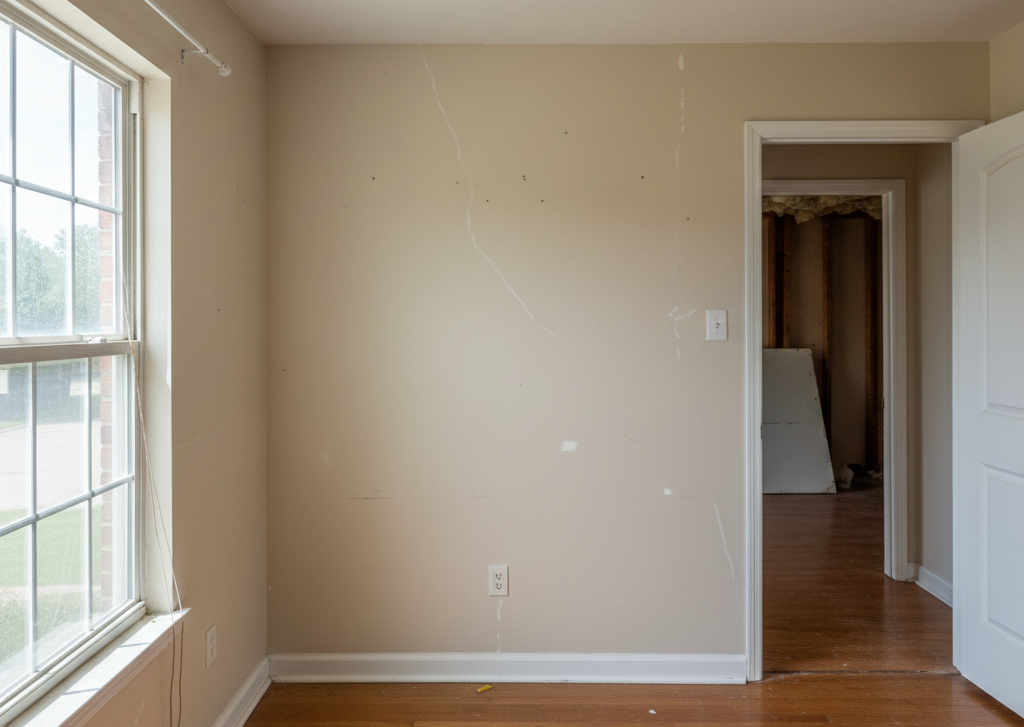
Walls, Ceilings, and Floors
Interior surfaces are inspected for cracks, stains, and unevenness. These signs can point to foundation movement, roof leaks, or plumbing problems.
Your Texas home inspection checklist should distinguish cosmetic issues from structural concerns so buyers can prioritize repairs correctly.
Windows and Doors
Inspectors check whether windows open smoothly, seal properly, and show signs of moisture between panes. Poor seals can significantly increase energy costs during Texas summers.
Attic and Insulation
Attics are evaluated for insulation depth, ventilation, and evidence of leaks or pests. Inadequate insulation can lead to higher cooling bills and premature HVAC wear.
Plumbing System Inspection
Water Supply and Pressure
Inspectors test water pressure and examine visible pipes for leaks or corrosion. Older homes may still have galvanized piping that requires replacement.
Drainage and Sewer Lines
Slow drains or odors may indicate sewer line issues. While camera scopes are often optional, they can be worthwhile for older properties.
Plumbing checks are a core part of any Texas home inspection checklist because hidden water damage can be costly to repair.
Electrical System Inspection
Electrical Panels and Wiring
Inspectors evaluate breaker panels, grounding, and visible wiring. Homes with outdated panels or improper modifications may pose fire risks.
Outlets, Switches, and GFCIs
Outlets are tested throughout the home, with special attention to kitchens, bathrooms, and exterior areas where GFCI protection is required.
Electrical safety is a non-negotiable part of a reliable Texas home inspection checklist.
HVAC System Inspection
Heating and Cooling Units
Inspectors assess the age, performance, and maintenance condition of HVAC systems. Given Texas heat, cooling efficiency is especially important.
Buyers often use tools like an affordability calculator to understand monthly ownership costs, and HVAC condition plays a major role in long-term expenses.
Ductwork and Thermostats
Duct leaks, poor airflow, and outdated thermostats can reduce efficiency and comfort.
Kitchen and Appliance Inspection
Built-in appliances are tested for basic functionality. Inspectors also check for leaks under sinks, proper ventilation, and cabinet condition. While appliances may not always convey, their condition can influence negotiations.
Bathroom Inspection Checklist
Bathrooms are inspected for leaks, water pressure, ventilation, and signs of mold. Poor ventilation can lead to long-term moisture problems that are expensive to fix.
Because of constant water exposure, bathrooms are a critical section of the Texas home inspection checklist.
Basement, Crawl Space, and Structural Areas
Not all Texas homes have basements, but crawl spaces and slab foundations still require close inspection. Inspectors look for moisture, insulation issues, pests, and structural integrity.
These areas often reveal problems not visible elsewhere in the home.
Environmental and Safety Checks
Smoke and Carbon Monoxide Detectors
Inspectors confirm detectors are installed and functional, especially near sleeping areas.
Radon and Mold Considerations
While radon risk varies by region, buyers may choose additional testing based on location and property history.
Reviewing the Inspection Report
After the inspection, buyers receive a detailed report with photos and recommendations. Not every issue is a deal breaker, but understanding severity and repair costs is essential.
A well-organized Texas home inspection checklist helps buyers separate urgent safety concerns from routine maintenance items.
Negotiating Repairs and Credits
Inspection findings can be used to request repairs, seller credits, or price adjustments. Sellers may agree to address safety issues or offer concessions instead of completing repairs.
In some cases, inspection results influence timing decisions for those planning on selling a home in Dallas Fort Worth after purchasing a replacement property.
Common Home Inspection Mistakes Buyers Should Avoid
Skipping inspections to win a bidding war can lead to costly regrets. Another mistake is focusing only on cosmetic issues while ignoring mechanical or structural concerns.
Using a disciplined Texas home inspection checklist keeps buyers objective and informed.
How a Local Real Estate Professional Adds Value
Local professionals understand common construction issues, regional risks, and negotiation strategies. Their guidance helps buyers interpret inspection results and decide next steps confidently.
Buyers who combine professional advice with a detailed Texas home inspection checklist are better prepared to make informed decisions.
FAQs
How long does a home inspection take in Texas?
Most inspections take two to four hours depending on property size and condition.
Should buyers attend the inspection?
Yes, attending allows buyers to ask questions and better understand the findings.
Does a home inspection include repairs?
No, inspections identify issues but do not include repairs.
Are new construction homes inspected?
Yes, even new homes should be inspected for quality and code compliance.
Can buyers back out after an inspection?
If the contract includes an inspection contingency, buyers may renegotiate or withdraw.
Conclusion
A thorough Texas home inspection checklist is one of the most important tools available to homebuyers. It protects your investment, clarifies future expenses, and ensures you understand the property before committing.
From structural systems to safety checks, every inspection step plays a role in making an informed decision. By following a clear Texas home inspection checklist and working with experienced professionals, buyers can move forward confidently, knowing their future home has been carefully evaluated.